The Importance of Data Collection and Analysis for Nonprofits
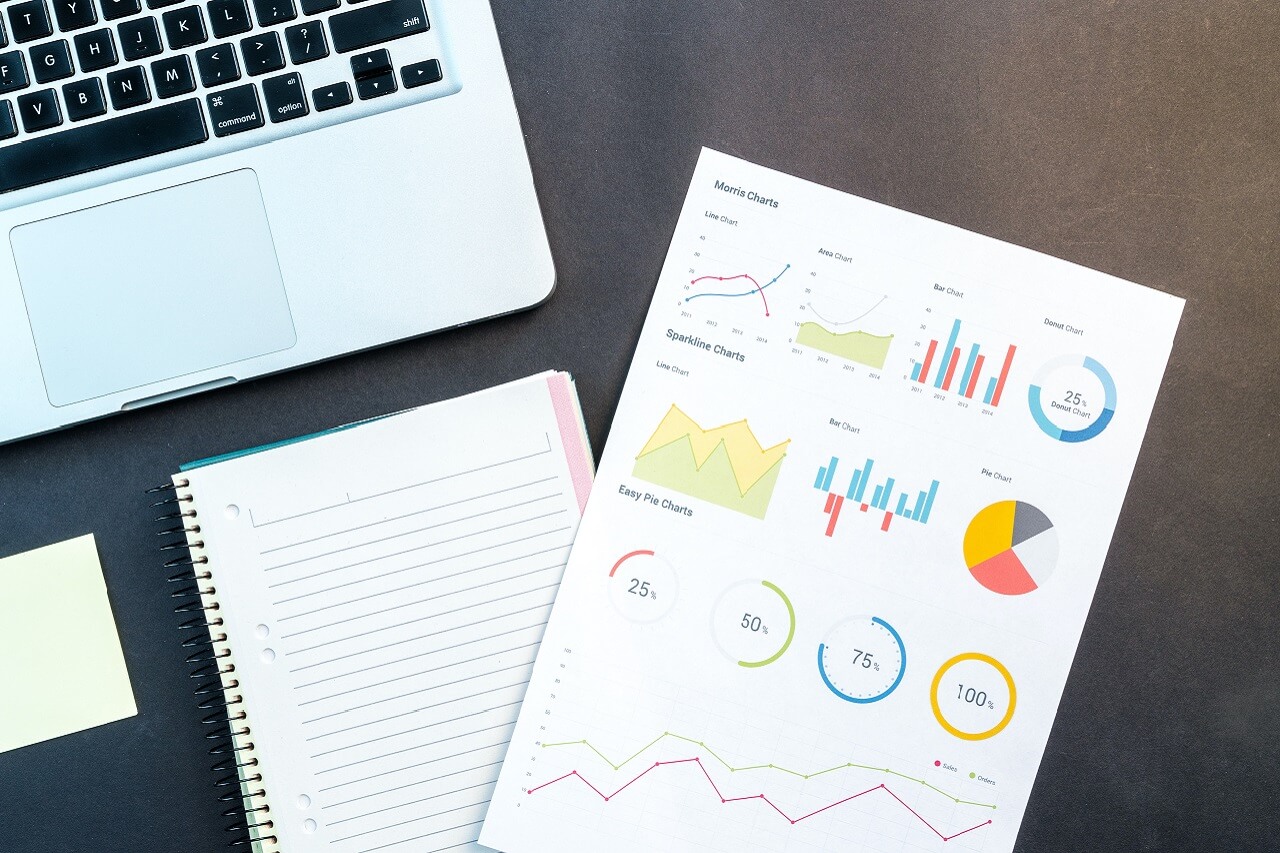
Nonprofit organizations play a critical role in addressing societal issues and improving the lives of people around the world. To achieve their goals, nonprofit organizations must collect and analyze data to make informed decisions, measure progress, and demonstrate the impact of their programs. In this article, we will explore the importance of data collection and analysis for nonprofits.
- Making Informed Decisions
Nonprofits must make strategic decisions about where to allocate resources, which programs to fund, and how to measure success. Data collection and analysis can provide valuable insights into the effectiveness of different programs and strategies, allowing organizations to make informed decisions about how to best achieve their goals.
For example, a nonprofit that provides education programs for underserved communities can use data analysis to identify which programs are most effective at improving student outcomes. By analyzing data on student performance, attendance, and participation, the nonprofit can make informed decisions about which programs to expand, modify, or discontinue.
- Measuring Progress
Nonprofits must be able to measure progress and demonstrate the impact of their programs on donors, stakeholders, and the public. Data collection and analysis can help nonprofits track progress toward their goals, identify areas for improvement, and communicate the impact of their programs.
For example, a nonprofit that provides healthcare services to low-income communities can use data analysis to track the number of patients served, the types of services provided, and the outcomes of those services. By analyzing this data, the nonprofit can demonstrate the impact of its programs on the health and well-being of the community it serves.
- Improving Accountability
Nonprofits are accountable to donors, stakeholders, and the public for the resources they receive and the impact they achieve. Data collection and analysis can help nonprofits improve accountability by providing transparent and objective evidence of their impact.
For example, a nonprofit that provides environmental education programs can use data analysis to demonstrate the impact of its programs on the environment. By analyzing data on carbon emissions, waste reduction, and energy consumption, the nonprofit can provide evidence of its impact on the environment and improve accountability to stakeholders.
Data collection and analysis are critical for nonprofits to make informed decisions, measure progress, and demonstrate impact. By using data to inform their strategies, nonprofits can achieve their goals more effectively and improve the lives of people around the world.